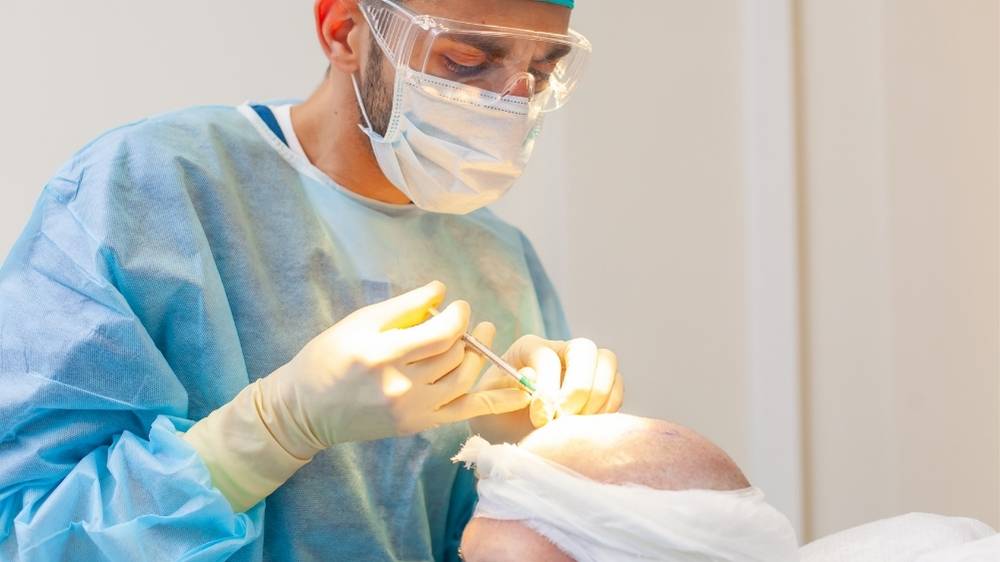
There is a specific kind of sinking feeling that comes when you notice your hair is looking a bit thinner than it used to. Maybe it is the way the light hits your scalp in the bathroom mirror, or perhaps you have noticed more strands than usual caught in the shower drain. For many people living in the west of Scotland, the search for a solution often leads them to look for a professional hair loss clinic glasgow. It is a journey that is about much more than just vanity; it is about reclaiming a sense of self and confidence that often feels like it is slipping away along with those lost strands.
Glasgow is a city known for its character and its people, and looking your best is often part of that local pride. However, when hair loss starts to occur—whether due to genetics, stress, or underlying health issues—it can feel incredibly isolating. The good news is that the field of trichology and hair restoration has advanced significantly in recent years. You no longer have to simply accept thinning hair as an inevitable part of ageing. There are clinical, evidence-based paths you can take to address the issue head-on.
What actually happens when you visit a specialist
Walking into a clinic for the first time can feel a bit daunting. Many people put it off for months, or even years, trying every over-the-counter caffeine shampoo or supplement they see advertised on social media. Usually, by the time someone reaches out to a professional hair loss clinic glasgow, they have already spent a significant amount of money on products that didn’t quite deliver the results they were hoping for.
A reputable clinic operates differently. Instead of a one-size-fits-all product, the process begins with a thorough diagnostic consultation. This isn’t just a quick glance at your scalp. A specialist will look at your medical history, your lifestyle, and the specific pattern of your hair loss. They use specialised tools to examine the health of the hair follicles and the condition of the scalp environment. This diagnostic phase is crucial because treating male pattern baldness is very different from treating telogen effluvium or alopecia areata.
The different types of treatments available today
Modern hair restoration is a broad field that encompasses both surgical and non-surgical interventions. Depending on the stage of your hair loss and your ultimate goals, a clinic might suggest several different approaches. It is rarely a case of just one treatment; often, a combination of therapies yields the best long-term results.
- Follicular Unit Extraction (FUE): This is a popular surgical option where individual hair follicles are moved from a donor area (usually the back of the head) to the thinning areas. It is known for its natural-looking results and minimal scarring.
- Platelet-Rich Plasma (PRP) Therapy: A non-surgical treatment that involves using the patient’s own blood plasma, enriched with platelets, to stimulate hair follicles and encourage growth.
- Low-Level Laser Therapy (LLLT): A painless treatment that uses medical-grade lasers to improve circulation and cellular activity within the hair follicles.
- Medical Management: Prescription treatments that help to block the hormones responsible for certain types of hair loss, helping to stabilise thinning before it progresses further.
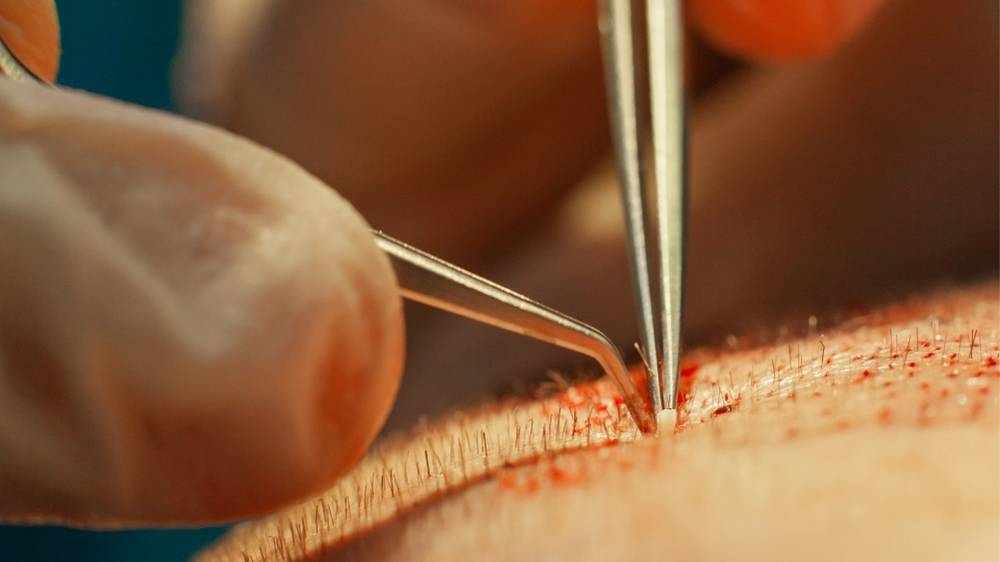
Why women face unique challenges with hair loss
While hair loss is often discussed as a male issue, it is incredibly common among women as well. However, the experience for women can be quite different. Female hair loss often presents as a general thinning across the entire scalp rather than a receding hairline or a bald spot. This can make it harder to detect in the early stages but no less distressing when it becomes noticeable.
Women in the city seeking help from a hair loss clinic glasgow often find that their concerns have been dismissed by general practitioners as ‘just stress’ or a natural part of the menopause. A specialist clinic understands the hormonal complexities involved in female hair loss. Whether it is related to iron deficiencies, thyroid issues, or androgenetic alopecia, getting a specific diagnosis is the first step toward effective management. Treatments for women are carefully tailored to ensure they are safe and effective, focusing on density and scalp health.
What to look for in a Glasgow based clinic
With so many options available, it can be hard to know which hair loss clinic glasgow is right for you. It isn’t just about the price tag; it is about the expertise of the staff and the quality of the care you receive. When you are researching your options, there are a few key things to keep in mind to ensure you are in safe hands.
- Qualifications and Experience: Check the credentials of the lead clinicians. Are they registered with relevant medical bodies? How many years have they been specialising in hair restoration?
- Before and After Evidence: A transparent clinic will be able to show you real-life examples of their work. Look for results that look natural and are similar to your own situation.
- Patient Reviews: What are people actually saying? Look for reviews that mention the level of support provided, not just the procedure itself.
- The Consultation Process: Avoid clinics that feel like a high-pressure sales environment. You should feel listened to, and all your questions should be answered clearly without being rushed into a decision.
The importance of realistic expectations
One of the most important roles of a professional clinic is to manage expectations. Hair restoration is a journey, not an overnight fix. Whether you are opting for a transplant or a course of non-surgical therapy, hair grows in cycles, and it can take several months to see the full impact of a treatment. A good clinician will be honest about what can be achieved based on your current level of hair loss and the donor hair you have available.
They will also talk to you about maintenance. Hair loss is often a progressive condition, which means that even after a successful transplant, you may need to continue with certain treatments to protect the rest of your hair. This long-term view is what separates a high-quality medical clinic from a quick-fix solution. It is about creating a sustainable plan that keeps your hair looking its best for years to come, rather than just for the next few months.
The psychological impact of taking action
There is a significant psychological shift that happens when you stop worrying about your hair and start doing something about it. Many patients report that the biggest relief wasn’t even seeing the new growth, but simply having a plan in place. The constant checking of mirrors and the anxiety of windy days or bright overhead lights can be exhausting. By visiting a hair loss clinic glasgow, you are taking control of the situation.
The confidence that comes from knowing you are being treated by experts using the latest technology is substantial. It allows you to focus back on your life, your career, and your social circles without the nagging insecurity that hair loss often brings. Glasgow is a city that celebrates being bold and being yourself; getting your hair back to where you want it to be is just one way to ensure you feel like the best version of yourself every time you step out into the city streets.
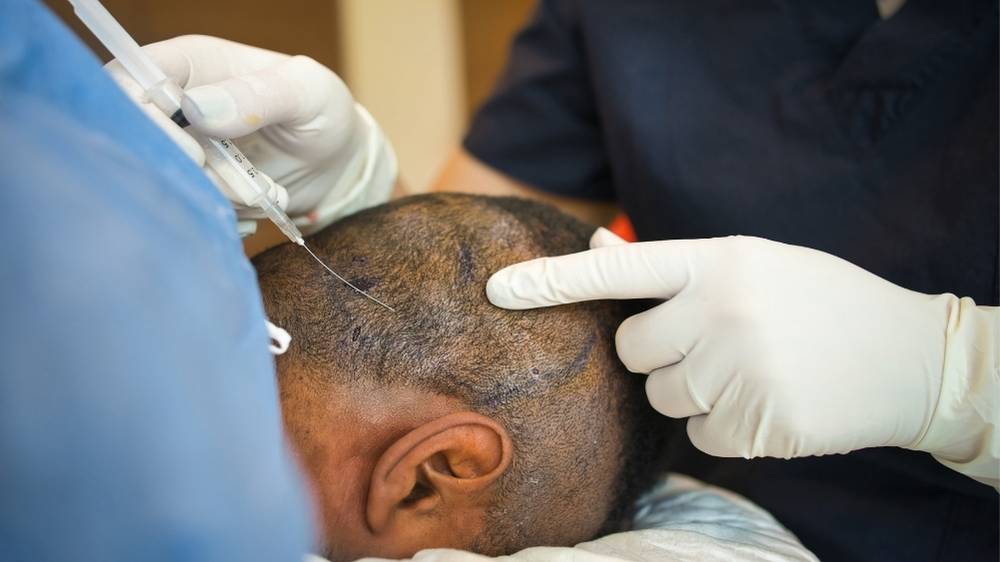
Preparing for your first consultation
Before you head into your first appointment, it can be helpful to do a little bit of homework. Think about when you first noticed the thinning and if there have been any major changes in your life, such as illness or significant stress, around that time. If you have any recent blood test results, bring those along too, as they can provide vital clues for the specialist.
During the meeting, don’t be afraid to ask the ‘silly’ questions. Ask about the recovery time, the potential side effects, and the total cost involved. A professional team will be more than happy to go through these details with you. They understand that this is a big decision and that you need all the facts before you move forward. Most clinics in Glasgow are conveniently located, making it easy to fit appointments around a busy working day or a trip into the city centre, ensuring that your path to hair restoration is as smooth and stress-free as possible.

Sophie Wallace specializes in covering game tactics, coaching methods, and the evolution of training techniques in the world of hockey.